 sumodhkrishna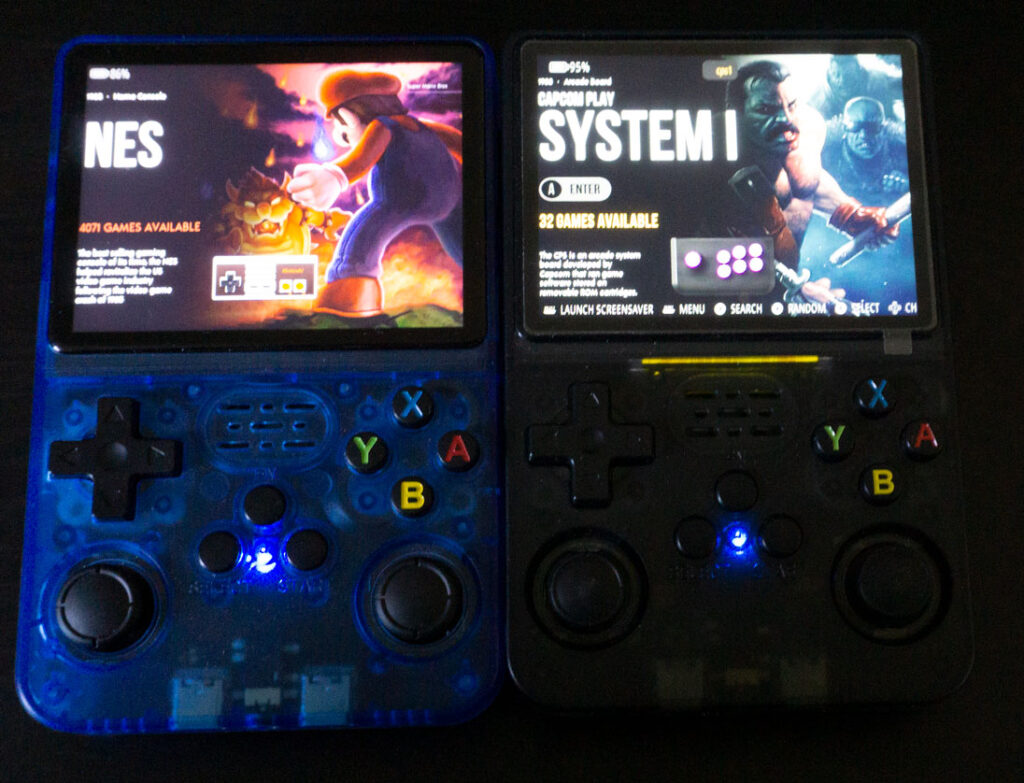
If you’re a 90s kid like me, chances are that the very mention of Super Mario or Contra lights up a memory tucked deep in the folds of your childhood. The shrill MIDI soundtracks, pixelated screens, and the sheer joy of jumping over Goombas or flipping tanks in Battle City – these are not just games. They’re time machines. Recently, I found myself on an unexpected journey back to those days, and it all began with a small, budget handheld gaming console called the R36S.
The Initial Spark: Enter the Clone
Like many others who stumbled upon retro handheld consoles online, I was drawn to the R36S. Scrolling through Temu late one night, I came across what was claimed to be a “portable retro gaming console with 10,000+ games, Wi-Fi, and multiplayer support.” At under $60 CAD, it seemed like a steal. I clicked “Buy Now” without hesitation.
The clone looked decent on the surface. It had the same form factor, same interface, and booted up with what looked like the right OS. The game library was enormous – or so it claimed. But very quickly, things started to fall apart.
First, I tried to connect it to Wi-Fi using a TP-Link USB Wi-Fi dongle. Several online posts and YouTube tutorials said this setup should work. I tried again and again, configuring, rebooting, plugging in different USB dongles – but nothing. No connectivity.
This led me down a rabbit hole. I started digging into the system files, SSH-ing into the console (yes, it did have a Linux-based file system), and poking around. That’s when I noticed the cracks – file directories missing entire firmware modules, logs showing driver errors, and hardware IDs that didn’t match what a real R36S should contain. I had been duped. Temu had sold me a clone.
The Cracks Get Wider: Gameplay Disappointment
As if the lack of connectivity wasn’t enough, the games themselves began to show their true colors. Many of the supposed 10,000+ games were duplicates. Others were broken ROMs that wouldn’t load past the menu. Some games simply wouldn’t respond to button inputs or crashed the system entirely.
Worse still, even simple games like Tetris and Pac-Man stuttered or had audio lags. The emulator being used on the clone was unstable and underpowered. Playing anything beyond NES felt like a gamble – and not a fun one.
And ironically, I had paid more for this clone (about $65 CAD including shipping) than the real thing.
Enter the Real R36S
Frustrated but not ready to give up on the dream, I turned to Alibaba. After doing some research, I found a verified seller listing the authentic R36S with a decent set of specifications: Dual-core processor, solid emulation support up to PSP, Wi-Fi support, and a bright 3.5-inch IPS display. Price? $45 CAD.
It arrived in about two weeks. From the packaging itself, I could tell this was a different beast. The unit felt solid, the buttons were responsive, and the system booted up smoothly. I plugged in the TP-Link dongle – and it just worked. Wi-Fi setup was seamless.
Nostalgia Reborn
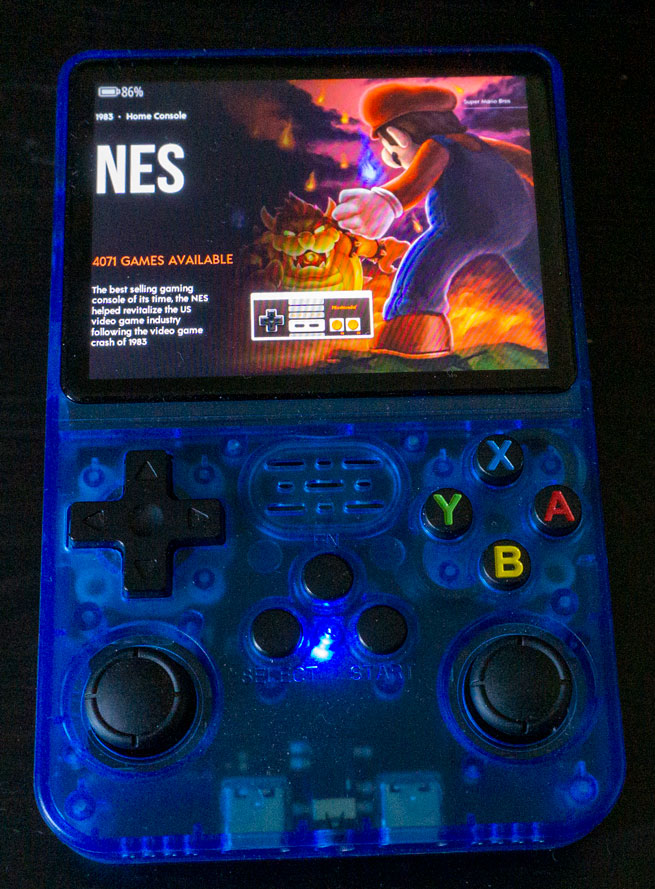
Naturally, the first game I fired up was Super Mario Bros (NES). That iconic start screen, the chip-tune music, the feeling of stomping Goombas and sliding down flags – I was 7 years old again. Back then, I had played Mario on a DOS PC via an emulator my uncle had found on a floppy disk. It was clunky, but it was magic.
Playing it on the R36S was like meeting an old friend, but one who had learned new tricks. The emulation was buttery smooth. No frame drops, no audio lag, and the screen made the sprites pop in a way they never could on CRT monitors.
Sharing the Magic
As I spent more hours replaying old favorites – Contra, Castlevania, Megaman, Battle City – I noticed my daughter hovering curiously. She’s four and mostly into animated shows and YouTube Kids, but when she saw a Disney-themed game on the console, her eyes lit up.
We started playing together – side-scrollers, puzzle games, even rudimentary racing titles. She especially loved games with Mickey and Donald, ones that I vaguely remembered from the SNES days. Watching her laugh and struggle with 8-bit challenges brought a fresh perspective. These games were simple, but that’s what made them fun.
There was a charm in these old games that modern ones often miss. The stakes were lower, but the satisfaction was higher. You weren’t grinding for loot or immersed in microtransactions. You were just having fun.
The Lost Art of Simplicity
I genuinely believe that somewhere along the road to hyper-realism, we lost something in gaming. Don’t get me wrong – I love modern games. Titles like Red Dead Redemption 2, Zelda: Breath of the Wild, and The Last of Us are masterpieces.
But there’s an undeniable sensory overload in today’s games – tutorials, cinematics, skill trees, online updates, patches, DLCs… You almost need a roadmap before you can start playing.
With the R36S, you pick it up, press Start, and you’re in. No loading screens, no updates, no interruptions.
Modern Gamer, Retro Heart
These days, my gaming hours are divided. I still dive into newer titles, but I find myself increasingly drawn toward simulation games – Transport Fever 2, News Tower, Cities: Skylines. Maybe it’s the combination of creativity and strategy that appeals to my adult brain, or maybe it’s because they remind me of how games used to be more sandbox than spectacle.
Yet, no matter how beautiful or complex modern games get, nothing beats the thrill of clearing 1-1 in Mario or using the Konami code in Contra.
Final Thoughts: Is the R36S Worth It?
Absolutely – as long as you get the real one.
For $45 CAD, the original R36S is an incredible deal. It’s a portal into childhood memories, a fun way to introduce your kids to the roots of gaming, and a refreshing break from modern over-engineered titles.
If you’re planning to buy one, avoid Temu and other unverified marketplaces. Go for established sellers on Alibaba or AliExpress who provide actual hardware specs and have real reviews.
And once you get it, don’t just treat it as a novelty. Spend time with it. Revisit the past. Share it with your kids. You’ll be surprised how something so old can feel so new.
Gaming isn’t just about graphics or frame rates. It’s about joy. And sometimes, the best way to rediscover that joy is by pressing ‘Start’ on something simple.
Search For
Archive
- A Hidden Sanctuary in the Mountains: Our Journey to Asha Mahakaleshwar Temple, Hope BC
- From Panic to Pranava – How I Learned to Hand the Steering Wheel to Shiva
- My Wi-Fi 7 Rebound Romance
- The R36S Gaming Console: A Journey Through Clones, Nostalgia, and Rediscovery
- From Monochrome to Kaleido: My Chaotic Switch to Kobo Libra Colour